Education
Learn everything about cryptocurrencies, blockchain, and safe investing. Educational articles for beginners and advanced users.

Bitcoin-Backed Mortgages: The Evolution of Financing or the Beginning of a Revolution?
Can you buy a property without selling your Bitcoin? In the US, Bitcoin-backed mortgages and loans already exist. Find out how these models work, what LTV means, who controls the collateral during repayment and why using them in the Czech Republic is still complicated.
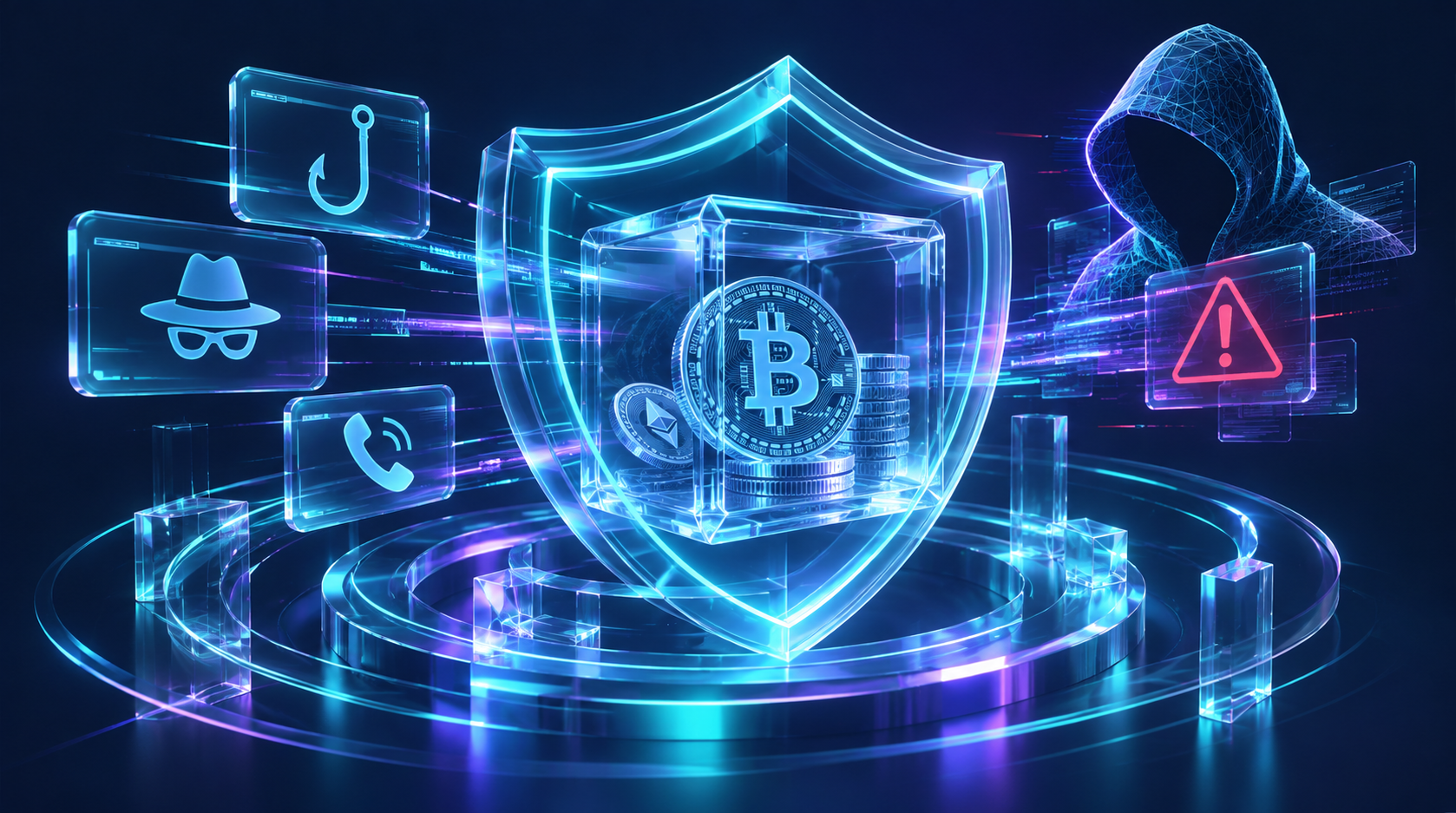
Cryptocurrency Scams

Staking: Where Do the Rewards Come From?
Staking lets you earn rewards for helping secure a blockchain network. Find out where the rewards actually come from, how to read APR and APY, what liquid staking adds, and which risks and withdrawal conditions are worth knowing in advance.

Cybersecurity in the World of Cryptocurrencies
An attacker does not need to break the blockchain or steal your key. It is enough to persuade you to send or sign something yourself. How do you protect your accounts, backups and transactions?

Major Players and Cryptocurrency Prices: When Is It Normal Trading and When Is It Market Manipulation?
A large bitcoin transfer to an exchange is not yet a sale, and a sharp price move is not yet manipulation. How can you tell ordinary trading from deceptive practices?

Cryptocurrencies and Inheritance: Who Will Get Your Bitcoin and How Can They Access It?
Bitcoin can be inherited just like shares, but a legal claim does not mean access. Find out why Bitcoin can remain inaccessible without the keys, what rules apply in the Czech Republic and abroad, and how to prepare for passing it on.

Shares on the Blockchain: What Are Tokenised Shares and How Could They Change Investing?
A token linked to Apple can follow the price of the share, yet give its holder very different rights. Learn what tokenised shares are and what you really own when you buy one.

AI and Cryptocurrencies: How Artificial Intelligence Can Change Finance, Banking and Blockchain
AI is changing banking and the world of cryptocurrencies. It can analyse, advise and increasingly also act. The key question is what we will allow it to do with our money.

Stablecoins: Digital Money Between Crypto and Traditional Finance
Bitcoin and Ethereum showed just how volatile the world of cryptocurrencies can be. That's exactly why one of the most important parts of this market became stablecoins – assets whose goal is to not change their value. Find out what keeps their price stable, how USDC, USDT, or crypto-collateralized tokens differ, and what the collapse of TerraUSD revealed.

Layer 1 and Layer 2: Why Blockchain Needs More Layers
Bitcoin and Ethereum showed that blockchain can work without a central authority. But as the number of users grew, capacity limits and rising fees followed. Find out how Layer 1 forms a secure foundation and how Layer 2 solutions like Lightning Network or rollups help it handle more traffic.

Smart Contracts: When Code Executes the Rules
Blockchain isn't just for transferring cryptocurrencies. It can also store and execute pre-programmed rules – and this is exactly the principle behind smart contracts. Find out how the "if condition A occurs, execute action B" principle works, why rollups and oracles are crucial for Ethereum, and what the case of The DAO revealed, where a bug in the code cost the network millions of dollars.

Scarcity: Algorithm vs. Natural Reserves
By one of the most widely used measures of supply scarcity — the stock-to-flow ratio (S2F) — Bitcoin today scores roughly twice as high as gold. This does not mean Bitcoin is twice as valuable, twice as safe, or destined to rise in price. It simply describes how slowly new supply is added relative to the amount that already exists.
The key question is therefore not which asset is "better", but how their supply structures differ.