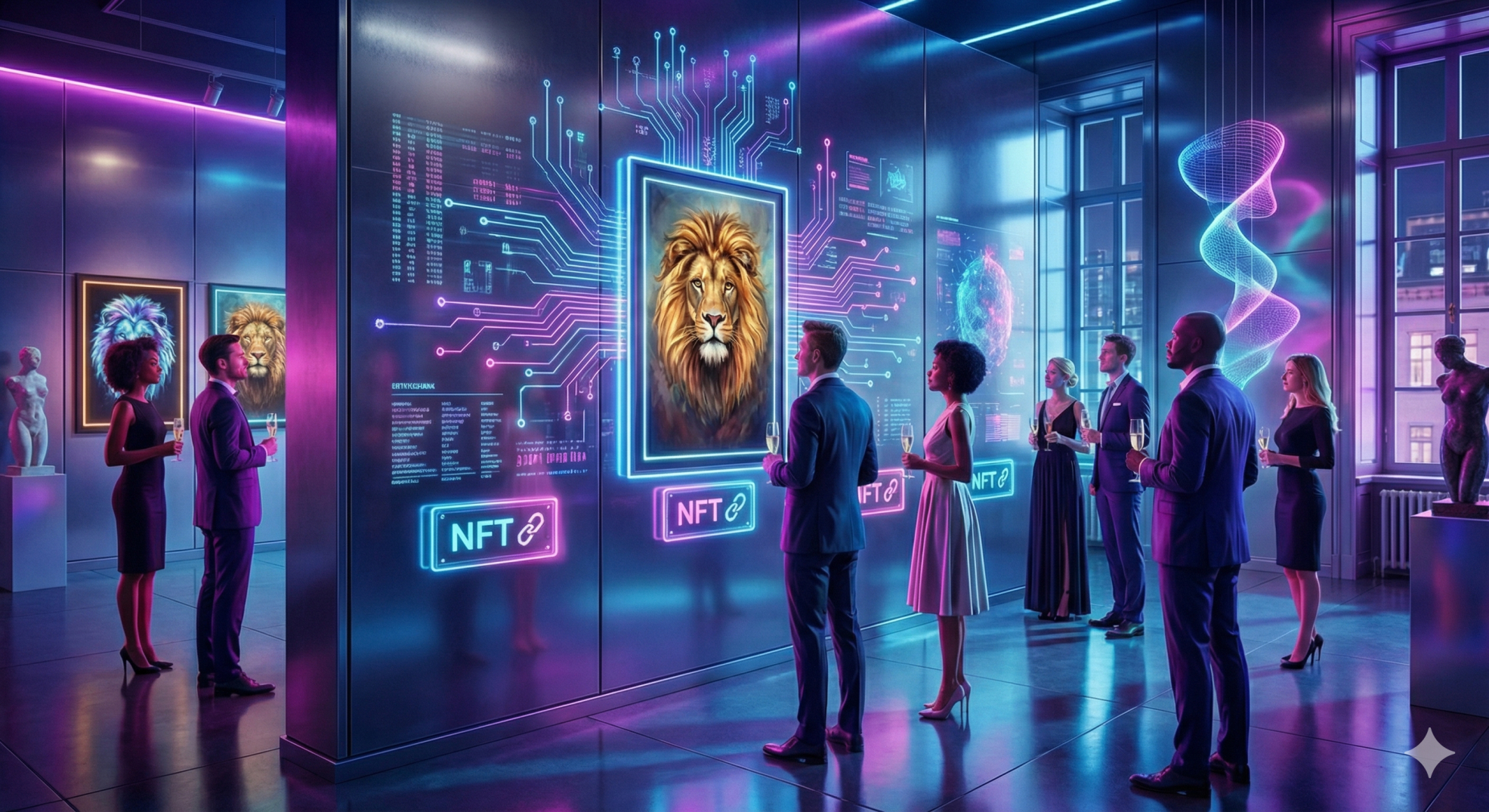
NFT 2.0: Why the technology you wrote off is now transforming the business world?
A few years ago, the world of NFTs was synonymous with digital images worth millions of dollars and a speculative bubble that was bound to burst. However, in March 2026, the situation is fundamentally different. While the first wave was about emotions and quick profits, the second phase we are experiencing now is about sophistication, non-fungible ownership rights, and an efficient connection between the digital and physical worlds.
Digital birth certificate
To properly understand the current value of NFTs, we must definitively abandon the idea that they are just visual files. At their core, each token is a unique digital record on a blockchain that serves as an indisputable certificate of originality. It can be imagined as a title deed, but one that is accessible from anywhere in the world, instantly verifiable, and technically impossible to forge or retroactively modify. This feature has brought a fundamental shift in the fight against counterfeiting in the luxury industry. Leading global brands in watches and fashion now attach a digital twin to each physical item, giving the owner certainty about the origin and history of the item throughout its entire lifecycle.
When code turns into real value
The current market in 2026 focuses primarily on areas where this technology solves real problems with liquidity and accessibility. A prominent example is the tokenization of real estate, which has democratized the property market. An investor no longer needs millions of euros to purchase an entire property but can own a digital share represented through an NFT. This model allows the owner to receive a proportional share of rental income while also giving them the ability to sell their share on the secondary market within seconds. A similarly revolutionary change can be seen in loyalty programs and ticketing, where smart contracts behind NFTs have eliminated fraud in ticket sales and enabled brands to build direct relationships with their fans through exclusive digital content.
Risk management
Viewing NFTs as an investment asset today requires a completely different approach than we were used to with Bitcoin or stocks. It is a specific type of asset that is inherently less liquid, meaning that selling a particular item depends on finding a direct buyer on the other side. Professional investors therefore no longer evaluate the aesthetic aspect but focus on the so-called utility potential. They examine what specific rights the token provides, whether it grants a share of profits, access to professional education, or membership in an elite club with a real business model. If a project does not have clearly defined added value and a strong team behind it, in 2026 such a purchase is no longer considered an investment but an excessive risk.
The future hidden in everyday life
We are heading toward a point where NFT technology will completely merge with our everyday lives, to the extent that we will stop using the technical term itself. Our diplomas, insurance contracts, digital identities, or in-game items will technically operate on the principle of non-fungible tokens, ensuring their transferability across different digital environments. This development represents a bridge that enables seamless transfer of value without the need for expensive and slow intermediaries.
Moody’s and Chainlink Aim to Bring Credit Ratings to Blockchain. The Tokenized Asset Market Has Already Reached Approximately $40 Billion
Rating agency Moody’s Ratings, in collaboration with the Chainlink network, has successfully tested the broad distribution of credit ratings directly into the blockchain environment. Although no actual rating decisions were issued during the November pilot project, the technology demonstrates how institutional investors could automate their work with risk models for tokenized bonds in the near future. The goal is to create universal infrastructure for a market that currently manages assets worth tens of billions of dollars.
Zcash Accelerates Private Payments: Shorter Wait Times Come at a Cost of Modernization
The cryptocurrency Zcash (ZEC) has successfully implemented the NU7 technological upgrade, directly changing the user experience of private transactions. The network has reduced its target block time from more than one minute to approximately 25 seconds, seeking to transform its original technological advantage into a financial service suitable for everyday use. While ordinary users benefit from faster payment confirmations, the upgrade also affects the economics of mining and, for some investors, means that older assets are currently locked up indefinitely.