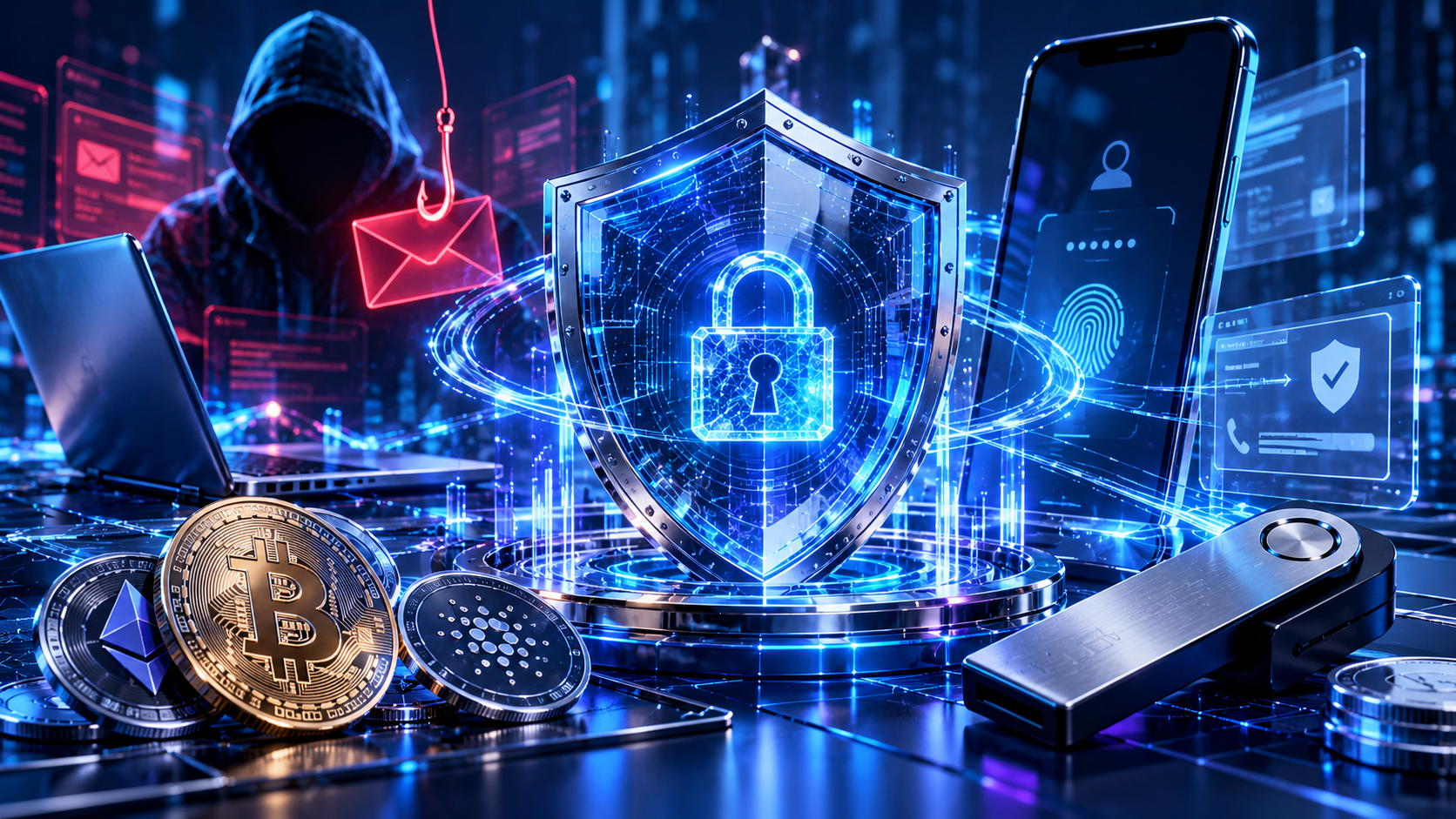
Cybersecurity in the World of Cryptocurrencies
A message about a suspicious login, fake customer support or a malicious link can put our cryptocurrencies at risk in a matter of moments. The attacker does not need to break the blockchain or obtain a private key. Sometimes it is enough to convince us to hand over our login details, send funds or approve a dangerous operation ourselves.
Cryptocurrency security therefore does not lie only in choosing a wallet. It is equally important to protect accounts, devices and backups and to understand what we are confirming when using cryptocurrencies.
Blockchain security and the security of our funds
Stolen cryptocurrencies do not necessarily mean that the blockchain network itself has been broken. The cause may be a compromised account with a provider, a leaked recovery phrase or a malicious application. Each of these risks requires a different form of protection.
When cryptocurrencies are held in custody by a provider, we also rely on its security. With our own wallet, on the other hand, we are responsible for the keys and their backups ourselves. The right solution is one that we understand and are able to use safely and restore.
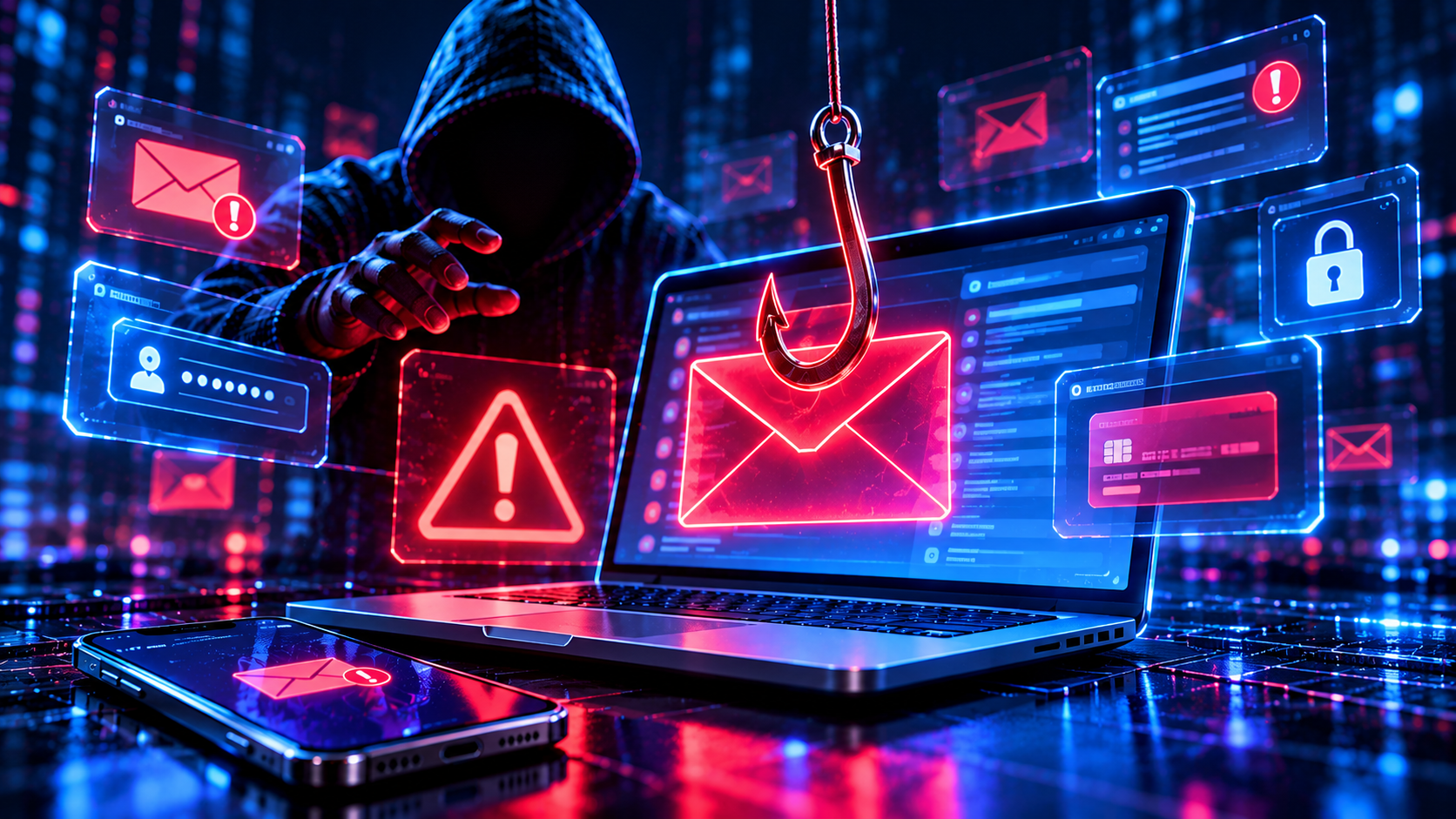
Phishing: when a scammer poses as help
Phishing is a scam in which an attacker imitates a trustworthy service or person. They may send a fake email about a blocked account, ask for a verification code or urge us to transfer cryptocurrencies to a supposedly safe wallet.
We do not verify a suspicious message via the link it contains. Instead, we open the service in our own way and, if necessary, contact official support. We never share our recovery phrase or verification codes with anyone. A convincing logo, flawless text or a secure HTTPS connection do not by themselves guarantee that a website is trustworthy.
Passwords, email and multi-factor authentication
The email inbox is an important part of security, because we often use it to restore access to other accounts. For every important service, we should therefore use a long, unique password; a password manager can help.
Multi-factor authentication offers further protection. An authenticator app tends to be safer than SMS, but even its code must never be entered on a fraudulent website. If a service supports passkeys or FIDO security keys, these can provide greater resistance to phishing. It is also important to have securely stored backup codes for restoring access.
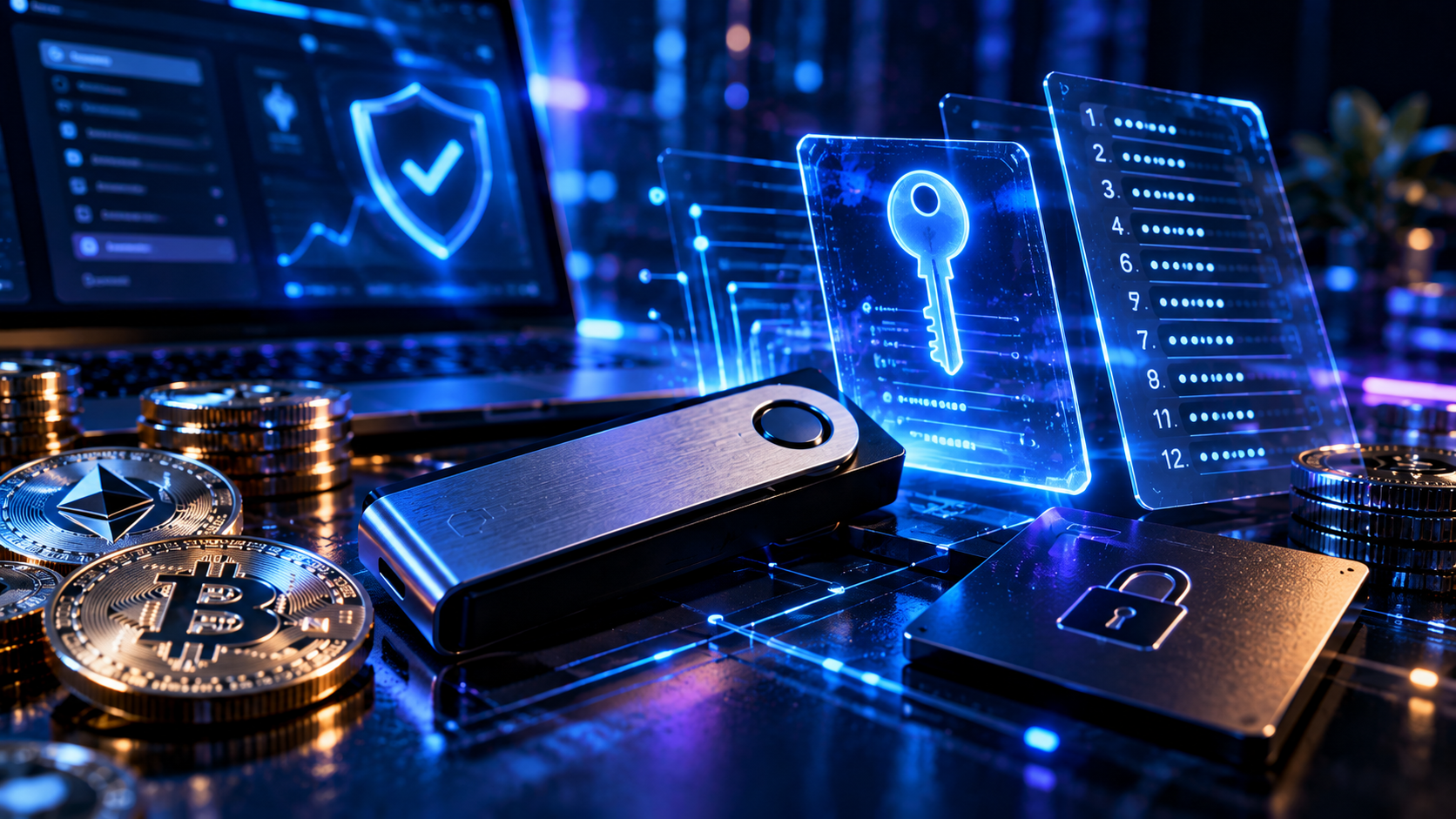
The recovery phrase and the hardware wallet
A recovery phrase (seed) is not an ordinary password. In many wallets, it makes it possible to derive the keys again and restore access to funds. Whoever obtains it can, under certain conditions, control the wallet even without the original device. That is why we do not store it as a photo on a phone or in an unprotected cloud document. The backup must be secure, but also available in case recovery is needed.
A hardware wallet protects private keys by signing operations inside the device. It will not, however, prevent a loss if we ourselves confirm a transfer to an attacker or a dangerous permission. Before confirming, we always check what the device actually displays.
Watch out for signatures and app permissions
When using decentralised applications, we may approve not only transfers but also permissions for smart contracts to move our tokens. If we grant an overly broad permission to a malicious contract, other tokens covered by the approval may also be at risk.
Connecting a wallet to a website, signing a message and granting a permission are not the same thing. Moreover, closing the page may not cancel a previously granted approval. If we do not understand the requested operation, we do not confirm it; on supported networks, older permissions can be reviewed and revoked using verified tools.
When transferring, we check both the address and the network
Attackers may slip into our transaction history an address similar to one we have used before. This technique is known as address poisoning. We therefore obtain the recipient’s address from a verified source and check it in full before sending.
It is equally important to verify the cryptocurrency, the blockchain network and any additional details, such as a memo or tag. A mistaken transfer may not be reversible. With a new recipient, a test transaction of a small amount can help, but even that does not replace checking the subsequent transfer.
Fraudulent investment platforms and device protection
Not all scams require stealing a password. A fake investment platform may display fictitious profits and, when we try to withdraw, demand further payments for a supposed tax or to unlock the account. Warning signs include promises of guaranteed high returns, pressure to decide quickly and unsolicited offers of help.
Risk is also reduced by updating phones and computers, installing apps from verified sources and refusing unsolicited remote access to devices. With more frequent use of blockchain applications, it may be sensible to separate assets held for the long term from funds intended for experimenting.
What to do if we suspect an attack
We stop responding to the suspicious person and contact the service exclusively through a verified channel. For an account at risk, we change the password from a trusted device, check the logins and alert the provider. If the scam involves a bank payment, we contact the bank as well.
With our own wallet, it depends on the cause. A malicious permission may need to be revoked, but if a private key or seed has been leaked, it is necessary to switch to a new wallet with independently created keys and safely move any remaining funds. We keep the communication and transaction identifiers and report any suspected crime to the Czech Police. Beware also of scammers promising to recover cryptocurrencies for an upfront fee.
Conclusion
Cryptocurrency security is a combination of suitable technologies and everyday habits. Strong passwords, multi-factor authentication, secure backups and checking transactions help limit risks, but no tool can replace our own decision-making.
Before every confirmation, we should know what we are sending and to whom, which network we are using and what permissions we are granting. If we do not understand a request, it is safer to stop the operation and verify it independently.
This text serves informational and educational purposes only and does not constitute investment advice. Crypto assets are volatile, and you may lose the entire amount invested.
Author
Tomáš Bára


Bitcoin-Backed Mortgages: The Evolution of Financing or the Beginning of a Revolution?
Can you buy a property without selling your Bitcoin? In the US, Bitcoin-backed mortgages and loans already exist. Find out how these models work, what LTV means, who controls the collateral during repayment and why using them in the Czech Republic is still complicated.
Cryptocurrency Scams