
A quantum shift in blockchain: How Algorand wants to update the foundations of its security
Quantum computers are ceasing to be an academic topic and are becoming a real challenge to which global security standards must respond. For the world of cryptocurrencies, they represent a threat, as they can break encryption that has so far been bulletproof. In response to the newly emerging challenges, Algorand Foundation is revealing a detailed plan aimed at transforming the network into fully quantum-resistant infrastructure by the end of 2027, with the first milestones starting as early as the third quarter of this year.
Why will current cryptography not withstand quantum computers?
Today’s security on the internet and in blockchains works like a huge digital vault. Current supercomputers would have to guess the correct combination to your key or wallet for billions of years, and that is precisely why we are safe today. Quantum computers, however, completely change the rules of the game. Thanks to the so-called Shor’s algorithm – which is essentially a brilliant mathematical shortcut – these machines can crack complex digital locks almost instantly. For the vast majority of cryptocurrencies, this means that their access passwords and signatures, which have so far been bulletproof, would stop working.
The fact that this is not a distant sci-fi threat was also confirmed by the latest research from Google. Its scientists precisely calculated how powerful a machine would be sufficient to break today’s encryption. The result surprised experts. Instead of unattainable sci-fi supercomputers, an attacker would only need a quantum machine with a capacity of fewer than 500,000 basic building blocks (physical qubits). Since technological development is moving toward this point by leaps and bounds, for the blockchain world this means only one thing – we must start changing the digital locks on the vaults before these machines actually come into existence.
Architecture prepared for change
Algorand, however, is not approaching this problem with panic. Developers know that the rushed deployment of new types of locks could do more harm than good, since the new mathematics has not yet been verified by years of practice. In addition, the new protective elements are more data-intensive, which could slow the network down. Algorand has therefore chosen the strategy of so-called crypto-agility. Imagine it as a flexible building kit – instead of fixing one type of protection in the system, the entire network is being rebuilt so that in the future it can easily and on the fly replace old security elements with new ones without the entire blockchain having to stop.
What has the network implemented since 2022?
Algorand is not starting these preparations from scratch. Since 2022, so-called State Proofs have been operating in the network, which are essentially regular, highly secure digital snapshots of the entire system. These snapshots use a special new signing method called Falcon. It did not receive its name (translated as falcon) by chance – its main advantage is that the resulting digital signature takes up only a minimum amount of space. This is crucial for the speed and throughput of the network. These advanced signatures are already successfully running today in live operation on the main network, and developers were able to introduce them smoothly, without the need to interrupt the operation of the entire system.
The road to 2027
The new phase of the plan will bring ordinary users full-fledged accounts with this new protection. They will be controlled in exactly the same way as today’s accounts, for example through the well-known Pera Wallet and a classic 25-word access password. To make the transition one hundred percent secure, Algorand will enable the creation of so-called hybrid accounts. These will function like doors with two different locks – one classic and one new, quantum-resistant. If the new system had some hidden flaw, the old one would still protect the assets, and vice versa. At the end of 2026, the entire system will also be expanded with another economical version of keys for fast confirmation of operations.
The most complex technological challenge for developers, however, is the rebuilding of the very heart of the network, namely the VRF system. This is a decentralized mechanism that, in a fraction of a second, completely randomly and fairly selects who in the network will verify the next transactions. Since this system today uses an older generation of mathematical algorithms, the foundation’s chief scientist, Professor Chris Peikert, is leading research into its new version. He plans to present the resulting scientific study at the beginning of 2027, with the new protection to be integrated directly into block verification by the end of the same year.
Institutional standard
A change at the level of the blockchain itself, however, is only half the success. Hardware wallet manufacturers and institutions that manage cryptocurrencies for large clients must also prepare for the new mathematics. Since today’s hardware devices are not yet fully prepared for the new technology, Algorand is temporarily adjusting the rules so as to enable the creation of advanced joint accounts. In them, it will be possible to freely combine old and new types of keys, which will provide major players with maximum institutional security already during the transition period.
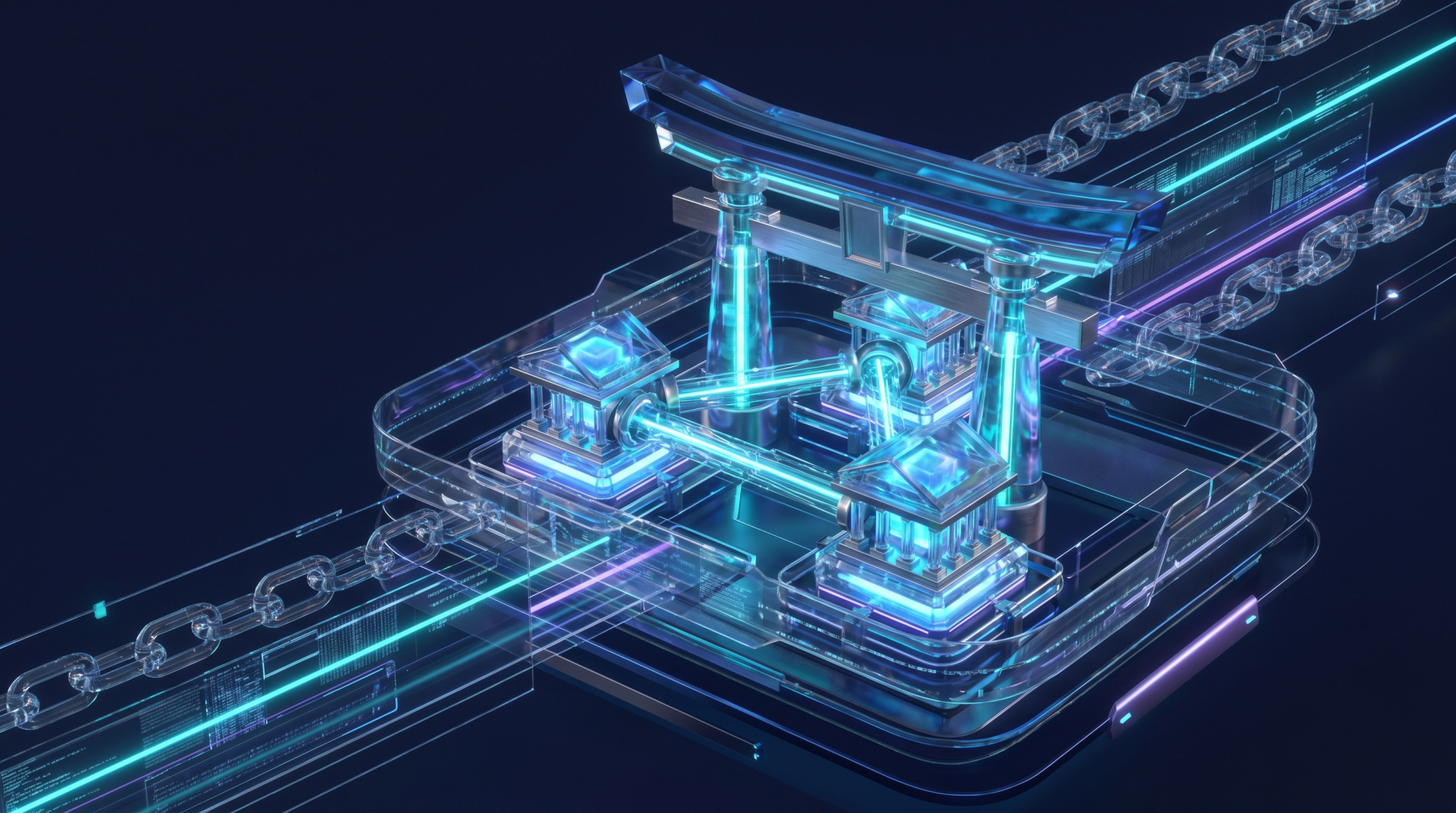
Tokyo takes the initiative: Three Japanese banks launch a joint stablecoin
Japanese banking houses MUFG, Mizuho, and SMBC are establishing a joint council with the aim of putting into circulation a unified stablecoin pegged to the yen. These three institutions jointly manage assets exceeding 7 trillion USD, making their initiative the largest institutional stablecoin project in Asia. The joint stablecoin is expected to enter live operation no later than March 2027 and definitively integrate blockchain infrastructure directly into the core of the traditional financial system.
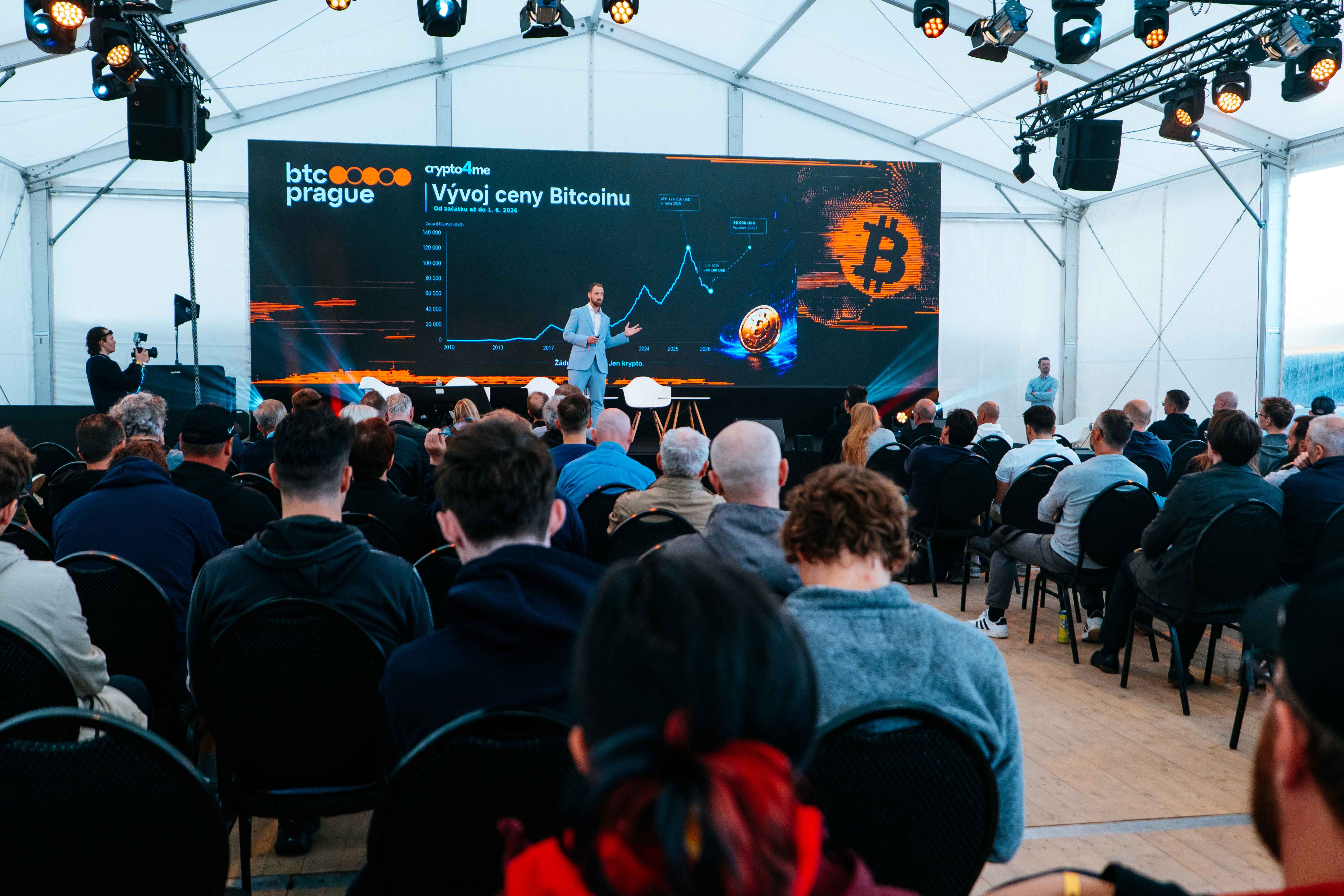
Crypto4me presented Plan ₿ to the European Bitcoin community at BTC Prague 2026
From June 11 to 13, 2026, the fourth edition of BTC Prague took place in Prague's Letňany district. One of Europe's most important Bitcoin conferences once again brought together experts, entrepreneurs, developers, investors, and members of the public interested in Bitcoin.