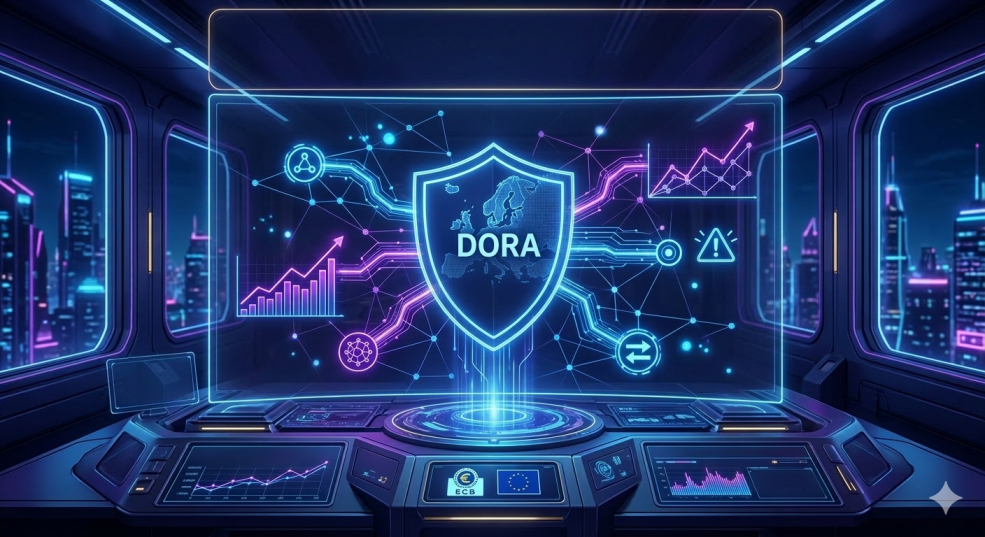
DORA: Why Digital Resilience Is a Key Factor When Choosing Your Crypto Partner
The world of digital finance and cryptocurrencies is constantly advancing, but with new opportunities also come new technological challenges that go far beyond having a strong password. If the market begins to move rapidly, you need to be sure that your intermediary will not collapse under the pressure of technical failures or cyberattacks. The European regulation DORA (Digital Operational Resilience Act) is changing the rules of the game and making digital resilience a key filter when choosing your crypto-asset intermediary. Find out why this framework is absolutely essential for the stability and protection of your investments in 2026.
Service stability
Modern financial services today are fully dependent on IT systems, and therefore their stability is absolutely crucial for protecting your assets. One of the most important objectives of the DORA regulation is to guarantee that financial institutions are able to function smoothly even in the event of unexpected technological problems or large-scale cyber incidents. The legislation therefore precisely defines rules for managing technological risks and strictly requires companies to have processes prepared in advance for the rapid restoration of operations in the event of any outage. For you as users, this means a huge advantage and greater certainty that the services you actively use to manage your portfolio remain available even in extraordinary situations when technical problems might otherwise threaten their operation.
Uncompromising cybersecurity
It is no secret that cyberattacks are currently among the greatest threats to digital finance. DORA therefore places extraordinary emphasis on their active prevention, continuous monitoring, and immediate response to any security incidents. Financial institutions now have a strict obligation to implement a comprehensive cyber risk management system, they must regularly test their systems, and in the event of an incident they must respond immediately and professionally. These technological requirements do not serve only to protect the infrastructure of financial institutions themselves, but their primary objective is above all to protect your sensitive client data and invested funds. DORA also establishes clear procedures for managing technological incidents, where an institution must be able to quickly identify a threat, analyze it, and adopt measures that immediately minimize its impact. These rules also include the obligation to report significant incidents to regulatory authorities and continuously test the readiness of systems for crisis situations. Thanks to this comprehensive approach, the ability of the entire financial sector to respond effectively and in time to modern technological threats is significantly strengthened.
Oversight of technological partners
Modern financial services today often rely on external technology providers, such as cloud services or various specialized IT suppliers. The DORA regulation therefore also introduces strict rules for continuous oversight of these technological partners. Companies must carefully evaluate all risks associated with external providers and must ensure without exception that their partner systems meet the same high security standards. This step once again significantly strengthens the overall stability of the digital infrastructure on which all modern financial services stand today.
A new era with Crypto4me
The regulation creates unified and exceptionally strong rules for managing technological risks, protecting IT infrastructure, and handling cyber incidents across the entire financial sector of the European Union. Digital finance continues to evolve dynamically and brings users ever new opportunities. Thanks to regulations such as DORA, however, an environment is simultaneously created that is significantly safer, more stable, and overall better prepared for the technological challenges of the future. For clients, this ultimately means above all a substantially higher level of security and absolute stability of digital financial services, which is the most important foundation when choosing your long-term intermediary.

South Korean banking unit KB Kookmin connects JPMorgan’s blockchain with the SWIFT network
Can the connection of a private institutional blockchain and a traditional banking network accelerate international trade? South Korea’s KB Kookmin Bank, which manages assets worth more than 550 billion USD, will launch a new wholesale settlement system for corporate importers and exporters in August 2026. By using JPMorgan’s closed interbank platform Kinexys, intended exclusively for institutional transactions, not for the public cryptocurrency market, in combination with the SWIFT network, it aims to offer near-instant settlement in USD across ten countries.
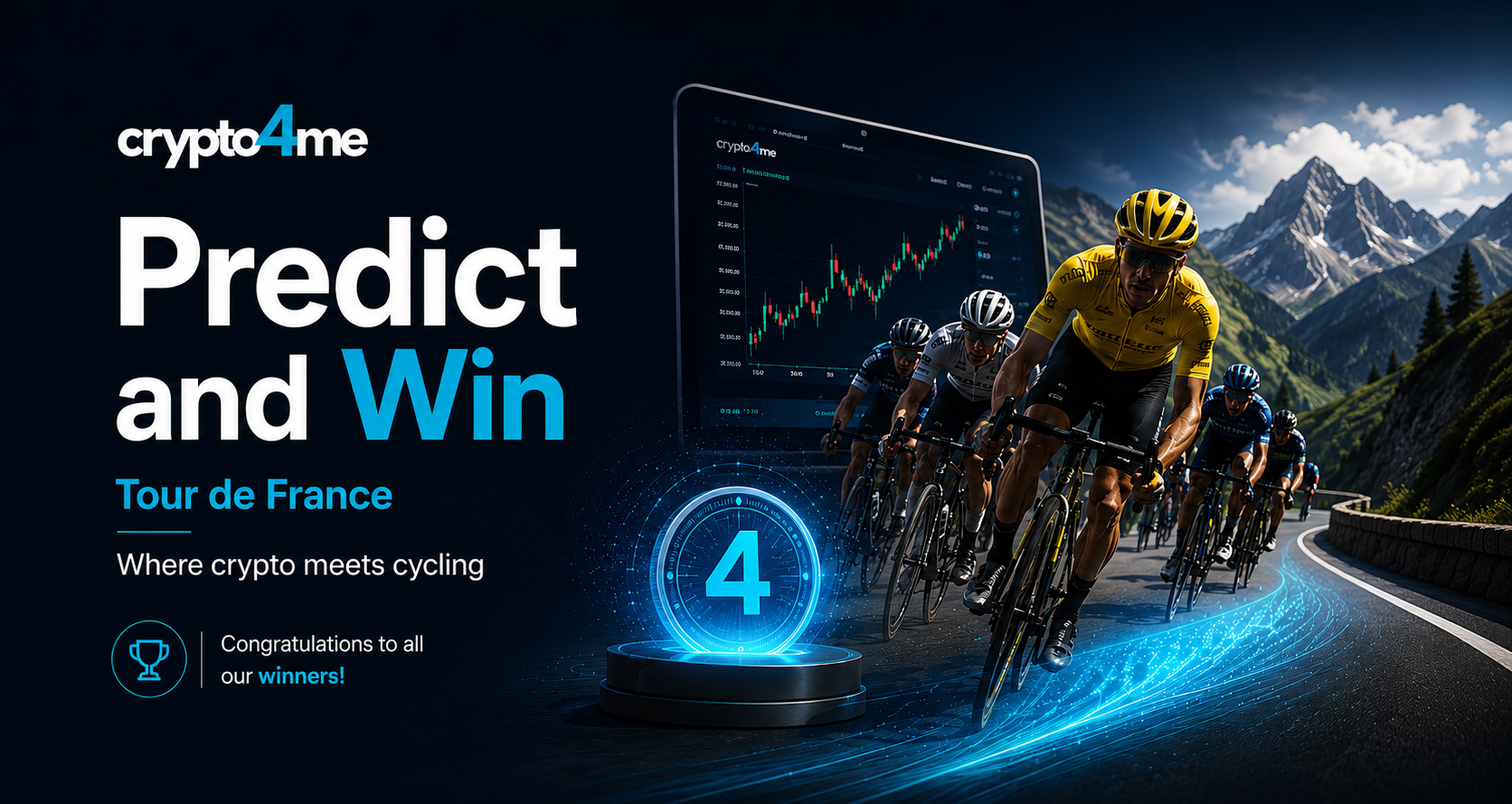
Crypto4me Announces Predict & Win Challenge Winners
The Predict & Win competition held during this year's Tour de France has come to an end. Here are the winners.